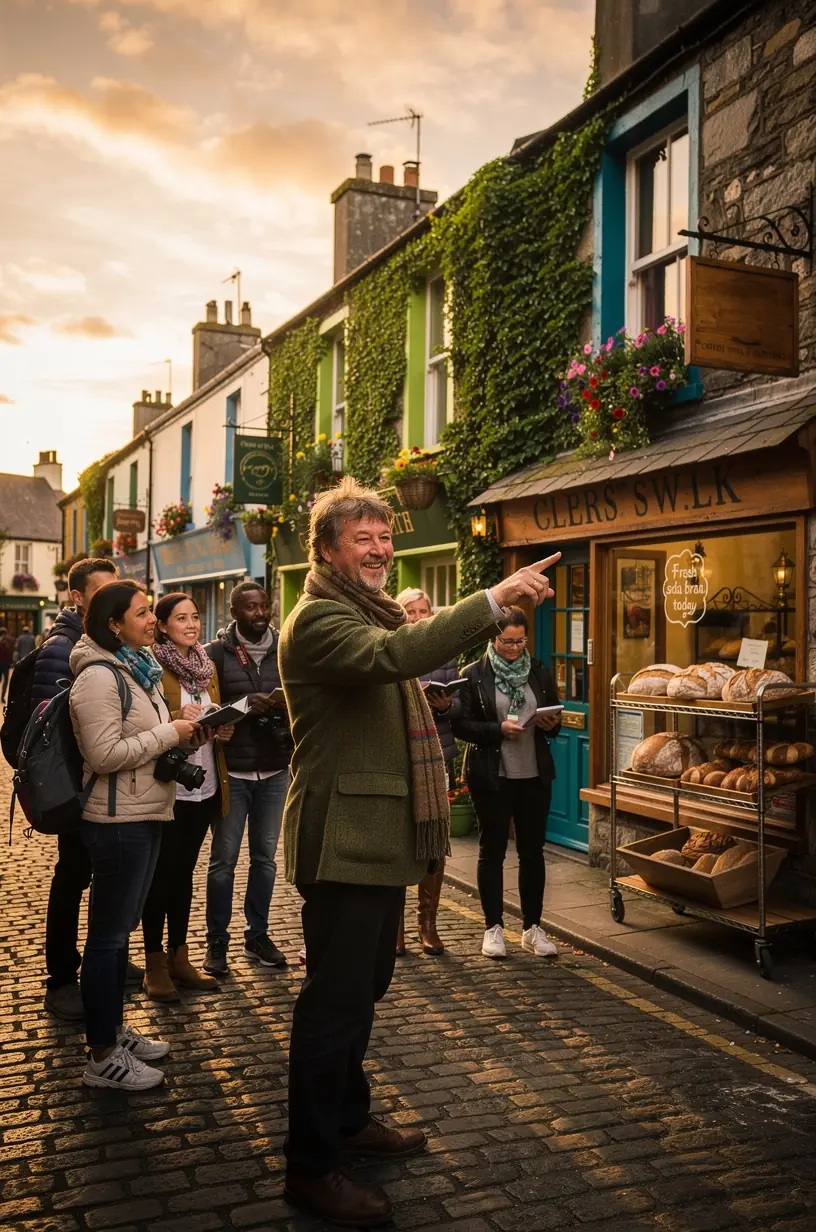
Understanding the Impact of Tourism on Local Economies
Tourism is a vital component of many local economies, especially in countries like Ireland. Understanding its effects is crucial for sustainable development and the well-being of local communities.
How Tourism Affects Local Economies
Tourism can have a significant impact on local economies in various ways. Economists and researchers often highlight both the positive and negative effects. On one hand, tourism can boost income and create jobs; on the other, it may lead to environmental degradation and cultural dilution.

"According to a study published by the World Travel & Tourism Council, tourism accounted for 9.3% of global GDP in 2019."
Positive Contributions of Tourism
Tourism typically contributes to local economies through:
- Job Creation: Many jobs are created in hospitality, transportation, and entertainment sectors. According to industry experts, tourism-related employment can reduce local unemployment rates.
- Increased Local Revenue: Local businesses often see an uptick in sales due to the influx of tourists, which can lead to improved community services and infrastructure.
- Investment in Infrastructure: Many regions invest in roads, airports, and public transport to accommodate tourists, which can also benefit local residents.
Challenges Faced by Local Communities
While tourism has its benefits, it also poses several challenges that need to be addressed:
- Environmental Impact: Tourism can lead to significant environmental degradation, particularly in sensitive areas. Research suggests that over-tourism can strain local ecosystems and wildlife.
- Cultural Erosion: The influx of visitors can sometimes dilute local traditions and customs, as communities may cater more to tourist preferences than to their own cultural heritage.
- Seasonal Employment: Many tourism jobs are seasonal, which can lead to economic instability for workers who rely on this income throughout the year.
Strategies for Sustainable Tourism
To maximize the benefits of tourism while minimizing its downsides, local governments and businesses can consider the following strategies:
- Promote Off-Peak Travel: Encouraging visitors to travel during off-peak seasons can help distribute economic benefits throughout the year. Experts recommend developing marketing strategies that highlight the advantages of visiting during less busy times.
- Support Local Businesses: Focusing on local services and products can enhance the economic benefits of tourism. Many studies indicate that money spent in local businesses stays within the community longer.
- Implement Sustainable Practices: Encouraging eco-friendly practices among tourists and businesses can help preserve local environments. Research shows that sustainable tourism practices can attract a growing segment of environmentally conscious travelers.
Conclusion
Tourism is a double-edged sword for local economies. While it has the potential to drive growth and development, it also requires careful management to avoid adverse effects. By implementing sustainable practices and supporting local initiatives, communities can harness the benefits of tourism while protecting their unique cultural and environmental heritage.