Practical Tips for Responsible Travel Photography
Travel photography is an enriching way to document your journeys and share experiences with others. However, it’s essential to approach photography with responsibility and respect for local cultures and environments. In this article, we explore practical tips to ensure that your photography aligns with the principles of Verdantex, fostering meaningful connections and sustainable practices.
Understanding the Ethics of Travel Photography
Responsible photography begins with an awareness of cultural sensitivities and environmental impacts. Experts recommend that travelers educate themselves about the communities they visit. This knowledge can inform how you capture images and ensure that you do so respectfully. For example, research indicates that engaging with locals and seeking permission before taking their photographs fosters goodwill and enhances the travel experience.
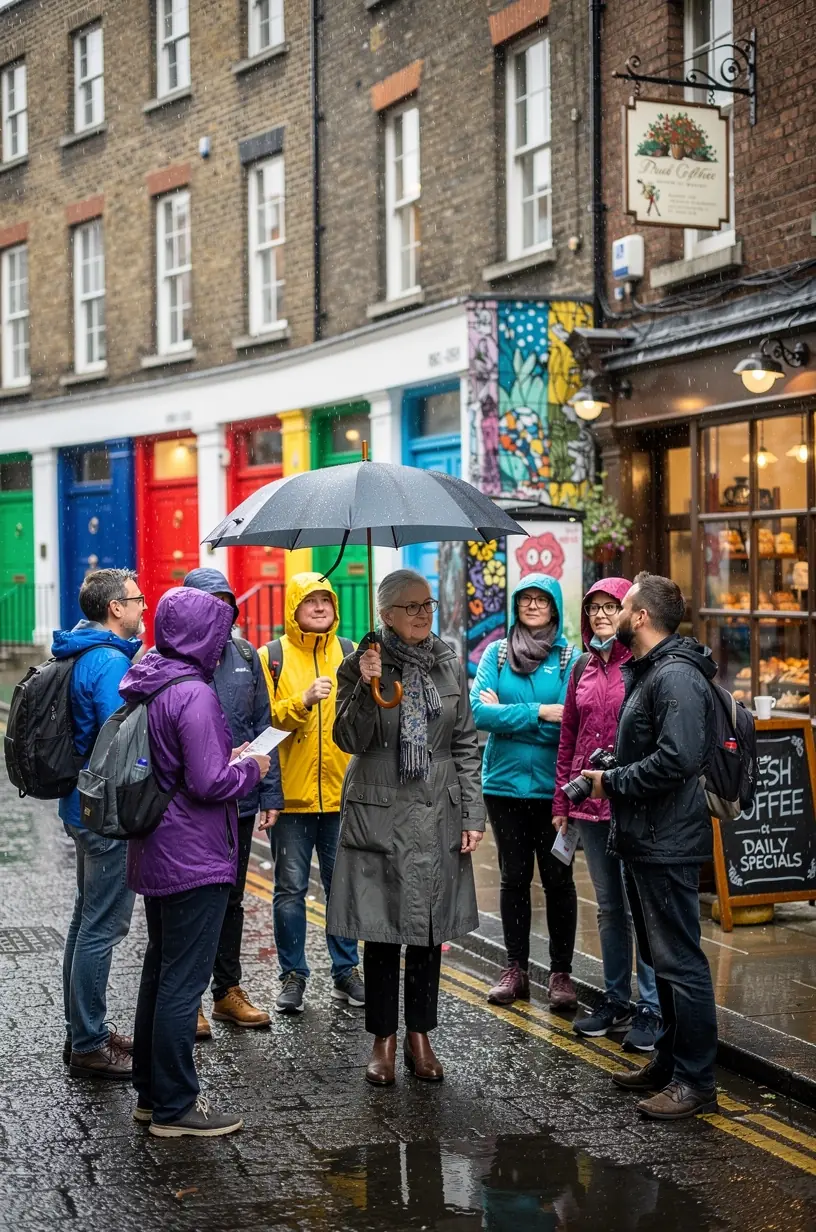
"Photography should not just be about capturing a moment, but about respecting the people and places that make those moments special." - Travel Ethics Expert
Practical Tips for Responsible Photography
- Do Your Research: Before visiting a location, take time to learn about its customs and traditions. Understanding local norms can guide your approach to photography and help you avoid unintentional disrespect.
- Ask for Permission: Always seek consent before photographing individuals, especially in personal or intimate settings. Many people appreciate the gesture and are more likely to engage with you if they feel respected.
- Be Mindful of the Environment: In natural settings, ensure that your photography does not disturb wildlife or damage the ecosystem. Following established trails and practicing Leave No Trace principles is crucial for preserving the locations you visit.
Using Photography to Tell a Story
Travel photography can be a powerful medium to share stories and insights about the places you visit. According to industry standards, effective storytelling through images often involves capturing not just landscapes, but also the people, culture, and daily life of a destination. This combination provides a more holistic view that honors the destination.
Tools and Techniques for Ethical Photography
Investing in the right tools can significantly enhance your ability to capture images responsibly. Many photographers find that using a telephoto lens allows them to photograph subjects from a distance, reducing the need for intrusive interactions. Additionally, taking time to understand editing software can help you present your images in a way that respects the authenticity of the scene.
Conclusion
Responsible travel photography is about more than just capturing beautiful images; it’s about fostering connections and respecting the world around us. By following these practical tips, travelers can ensure their photography aligns with the values of Verdantex, ultimately leading to a richer and more fulfilling experience. Remember, the goal is to share stories that resonate and respect the places and people that make them possible.